
Introduction
As a retailer, chances are you’re always thinking of ways to improve the efficiency of your business – whether that’s a better setup for your Shopify store, or changing the courier mix you rely on to get orders out the door.
What’s more, keeping up with evolving customer expectations adds another set of challenges. Increasingly, customers expect more options for how their orders get delivered and want those orders faster. Which is no easy task for today’s retailer!
So, what’s the solution? Well, one operating model that businesses are increasingly finding success with is ship from store – an omnichannel retail approach that utilises a retailer’s physical retail store(s) to get orders out to customers faster.

Ship from store is also growing in popularity, due to two related factors: a growing eCommerce market (it’s forecast to make up 24.5 percent of the total retail sales market by 2025) and traditional brick and mortar stores continuing to prove a popular option for customers. And, according to one McKinsey & Company study, most Gen Z consumers don’t even think in terms of traditional channel boundaries – they evaluate brands on how seamless their shopping experience is.
With that in mind, if you have retail store locations but haven’t incorporated ship from store into your eCommerce strategy, you might be missing out on a substantial opportunity. By adopting this approach, you can not only speed up your delivery, but also reduce shipping costs, all while making your customers happier. Let’s explore this innovative fulfilment model in more detail.
What is ship from store?
Basically, when a customer places an order through an online store, that order is sent to the store that’s closest to the customer and fulfilled there instead of a central warehouse. This means less lead time and – potentially – lower transportation costs.
It can be helpful to think of ship from store as essentially a network of tiny warehouses!

What are the benefits of ship from store?


Keep freight costs down
Shipping from store is a great way to combat rising freight costs if you have a network of stores, but don’t have multiple fulfilment centres. Using a ship from store strategy can lead to a reduction in overall shipping costs thanks to the shorter delivery routes, and the ability to take advantage of your existing retail locations as mini distribution centres.

Improve inventory turnover and reduce deadstock
Fulfilling online orders using stock at your retail stores helps increase your inventory turnover, helping you to avoid ageing stock or deadstock. This approach also makes managing inventory more flexible. It lets you quickly adjust to what your customers currently want and like.

Sustainability with shorter delivery distances
If you have a store network, chances are the delivery distances will be much lower when you’re able to fulfil orders with local stock. A shorter delivery distance not only reduces the carbon footprint associated with shipping, but also resonates with the growing base of eco-conscious shoppers.
Increase delivery speed
Ship from store is a great way to improve your delivery speed and achieve faster delivery timeframes (like same-day delivery). Enhanced delivery speeds, like same-day or overnight delivery, significantly boost customer satisfaction and help you keep up with customers’ evolving expectations.

Reduce cart abandonment
Free shipping (and shorter shipping timeframes) can have a big impact on reducing cart abandonment. Using the ship from store model can help you to more easily meet these timeframes. Offering quicker and potentially free shipping options directly tackles one of the main reasons for online cart abandonment.

Scale up or down based on demand
The ship from store model offers more flexibility in managing inventory and can be easily scaled up or down based on the way demand fluctuates. In times of higher demand, like the holiday season, the ship from store model allows you to leverage your entire network of stores to fulfill orders – allowing you to increase sales capacity, without the need for additional warehouses (and warehouse staff).

Reduce the impact of warehouse issues
With your retail stores able to service online orders, any problems with your main warehouse become far less of a concern. By diversifying your fulfillment locations, you can reduce the risks that come with warehouse dependencies, like temporary warehouse closures or logistical delays.
What are the limitations of ship from store?
Potential for in-store disruptions
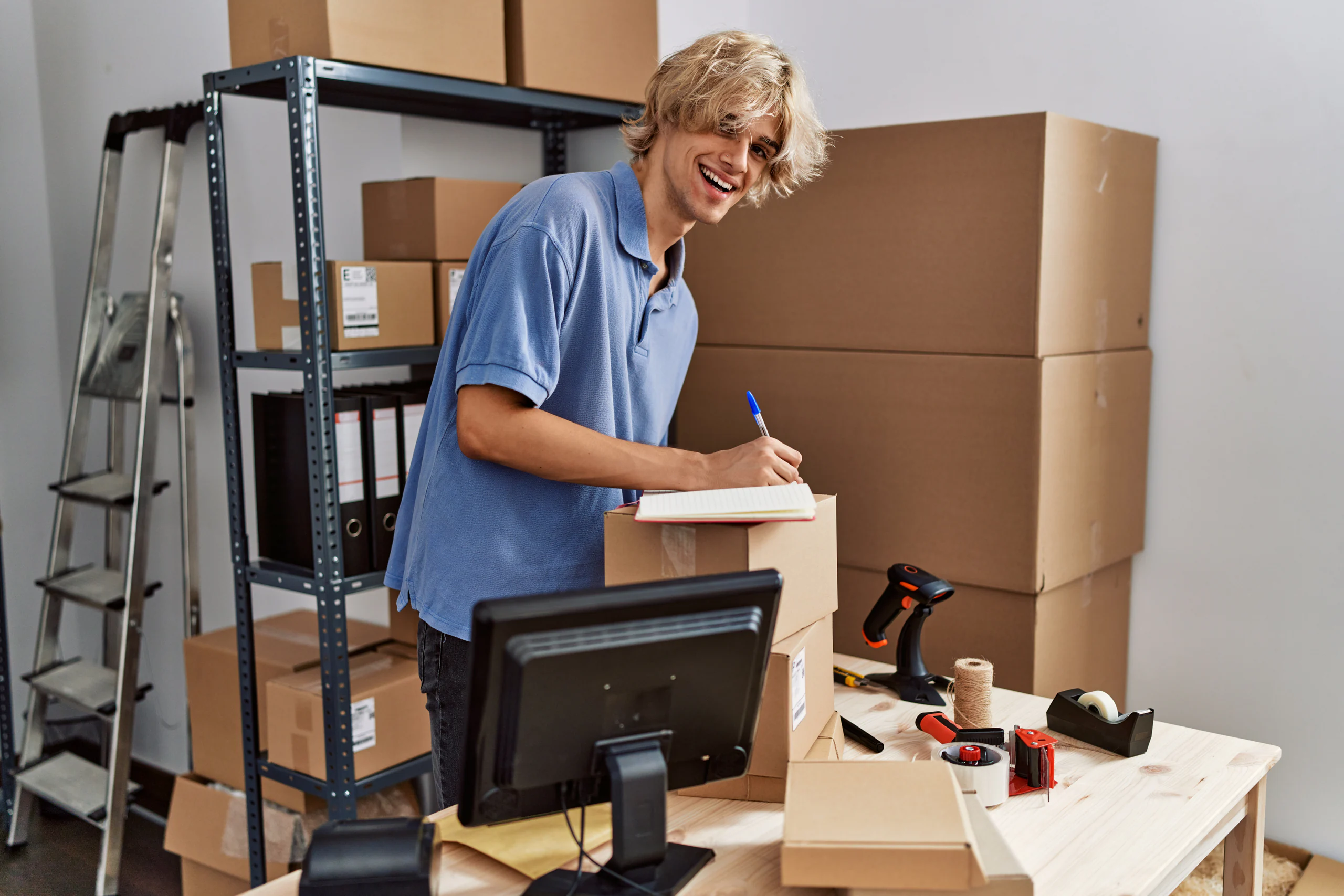
Needing to fulfil online orders in the same location where you serve in-person customers can cause disruptions. For example, customers in store may not get as much attention from staff fulfilling online orders, and online orders may see delays as staff are busy running the store – that’s where training your staff comes in (more on that later). A user-friendly shipping platform (like Starshipit) can resolve this problem by making it easy to print shipping labels, process returns and more.
Inventory management issues
Maintaining inventory levels across stores and warehouses adds to the complexity – but this can be solved with a robust inventory management system. Of course, not all retailers use inventory management systems, meaning you’ll need to check whether your platform supports ship from store (like Shopify and Magento). There’s also the fact that you’ll need a network of retail stores to start this process in the first place.
Helpful tip:
If this is all starting to sound a bit mumble-jumble – don’t worry. That’s what our team of shipping experts is here to help with. Simply book a quick chat to discuss how we can help implement ‘ship from store’ with your current workflows.
Success stories
Case study #1 Toyworld
As Australia’s largest specialist toy retailer, Toyworld has 125 stores across the country. With the aim to optimise fulfilment, Toyworld initially implemented ‘Find in Store’ in 2020, click & collect in 2021, and finally ship from store.
Toyworld used the power of Starshipit combined with stockinstore to successfully complete this omnichannel transformation, and since this implementation they’ve achieved:

Now, national online orders reach customers on average 3 days faster prior to ship from store and 5 days faster on a local level.

Case study #2 Lorna Jane
Aussie fashion giant Lorna Jane are leaders when it comes to meeting customer expectations. With delivery speed and stock turnover in mind they found great success with ship from store by “igniting the stock pool” and linking up all stores under one eCommerce platform. Lorna Jane has simplified the process of shipping orders to customers.
Lorna Jane’s retail staff found shipping from their stores easy with shipping automation software like Starshipit. After receiving an order at their location, staff would access the Starshipit dashboard to pick, pack, fulfil, and print shipping labels. Once the orders were packed and collected by the courier, automatic shipping notifications are sent at five stages of the delivery process.
Starshipit’s role was central in connecting Lorna Jane’s stores, streamlining fulfilment, and improving delivery speed, making it a cornerstone of their successful implementation of ship from store fulfilment.
Case study #3 Target
Back in 2020, Target announced that digital sales had grown 141 percent in Q1 and 195 percent in Q2 – with the share of orders fulfilled from stores growing in turn.
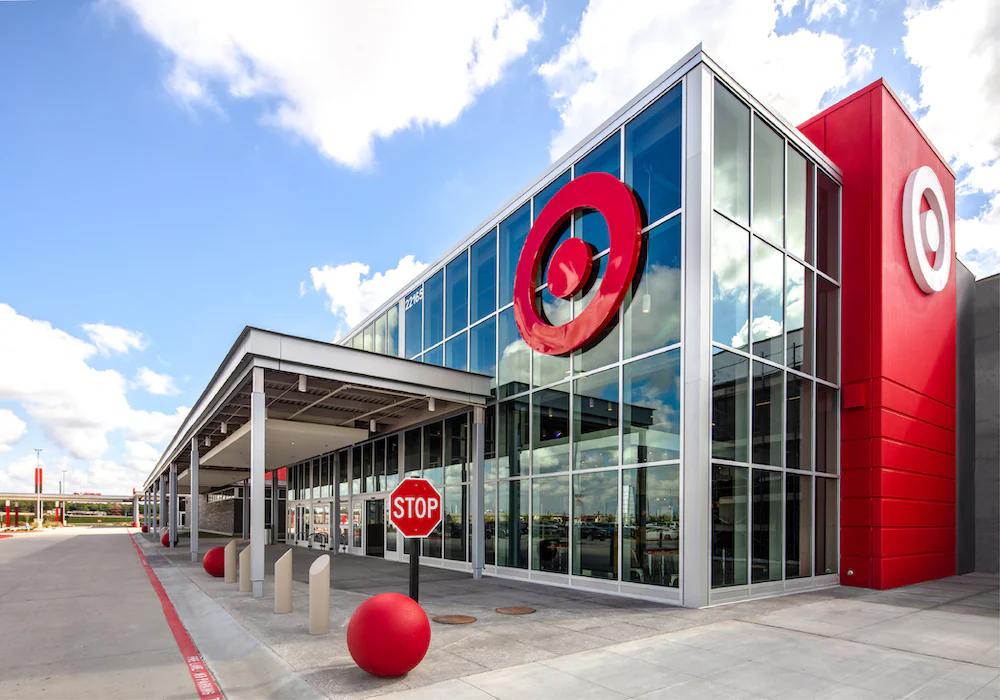
Just five years prior in 2015, Target was shipping 20-25 percent of eCommerce orders from stores. By 2020, that share was up to 75-90 percent. But why the shift to this model? It was largely due to the pandemic, and a need to decrease risk. Large, centralised warehouses – where worker proximity is unavoidable – meant potential for disruptions. Fulfilling online orders from stores could reduce this risk substantially. Now, Target continues to rely on the model as a way of getting orders out to customers as fast as possible.
Disclaimer: Target is not a Starshipit customer - we simply wanted to highlight this successful ship from store strategy from a leading retail brand.
Is ship from store right for you?
The ship from store strategy might start to sound like the right one for your business, but it’s important to consider the key drivers pushing you to utilise this solution, and whether your business has the right infrastructure to manage in-store fulfilment.

Some of the common motivators include:
To reduce the cost of shipping and fulfilment
Ship from store reduces shipping costs by utilising proximity to customers, reducing last-mile expenses, and decreasing the need for expensive expedited shipping options.
To make the most of underutilised store and staff capacity
If you’ve got some extra space and your team is ready to upskill, ship from store makes better use of your resources, which also improves your inventory turnover.
To enhance the customer experience with shorter delivery times
Ship from store typically results in faster order processing times since the products are already within the vicinity of the customer, leading to shorter order preparation times and a better customer experience.
To reduce your carbon footprint
Shipping from nearby stores can lead to shorter transportation distances and fewer emissions, contributing to environmental sustainability.
What to keep in mind when implementing a ship from store strategy
These are all great reasons to ship from store, but there are a few considerations to keep in mind before you implement this strategy, to ensure you’re fully prepared and that it’s the right move for your business.
1. Streamlined store operations
Getting your store ready for in-store fulfilment means you’ll need to ensure your staff have all the supplies they’ll need to effectively manage orders. It’s also a good idea to evaluate your store’s layout to get an idea of how much additional storage space you might need to accommodate the fulfilment process. Here are some handy tips to make the most of your store layout and optimise your inventory management to ship from store:
Use your space wisely
Analyse your current layout and identify any underutilised space that can be repurposed for fulfilment. Vertical storage solutions are a gamechanger for maximising your floor space and keeping the sales area uncluttered.
Create dedicated fulfilment zones
Allocate specific areas within the store for fulfilment. This could include packing stations stocked with all the tools and equipment needed to pack orders, areas for inventory temporarily held for online orders, and quick-access storage for products that sell like hotcakes.
Always keep your customers in mind
Think about your customers first and make sure that any modifications you make for in-store fulfilment don’t negatively impact the in-store shopping experience. The store layout should maintain a clear distinction between customer-facing areas and ship from store operations.
Think about your workflow
Arrange the fulfilment zone near the back or side entrances to facilitate easy access for your courier drivers – not only will you save them precious time, but you’ll also minimise the disruption to your in-store customers. Ensure the layout allows for a smooth workflow from inventory picking to packing and dispatch.
Use technology to your advantage
Using a dedicated inventory management system that provides real-time visibility into stock levels will make stock management a whole lot easier for your team. It will efficiently manage online orders and in-store demand, to reduce the risk of overselling. Starshipit integrates with major platforms like PeopleVox, Stockinstore and more – so you can import your orders automatically and use smart logic to automatically assign orders to the right stores.
2. Enough trained staff
A successful ship from store strategy also relies on having enough trained staff on the ground to handle all the tasks required for fulfilment, without letting customer support take a hit.
Training retail staff to use new tools and processes that are more related to warehousing can be a challenge, and it’s critical to understand the complexities of each new role or responsibility. Additionally, making sure staff are fairly compensated for any additional tasks they take on is another key factor to consider. Here are some areas to focus on to ensure your team is well-prepared:
Support your team
Implementing ship from store fulfilment might be a big change for your team, so be sure to provide extra support while they settle in and learn the ropes. Also consider adjusting compensation structures to account for these new responsibilities.
Specialised role training
Picking, packing and shipping might seem relatively simple on the surface, but it’s important to provide comprehensive training so your team can handle these tasks as efficiently as possible.
Optimise task scheduling
If you can allocate fulfilment tasks during less busy store hours, you’ll reduce the impact on the in-store customer experience. Picking, for example, is more efficiently done in batches, so doing this when it’s quiet means it can be done uninterrupted.
Adjust staff levels
Plan ahead to have additional boots on the ground to manage orders during peak foot-traffic times without compromising customer service.
If you’d like a more detailed breakdown of how you can prepare your retail team to ship from store, head over to our blog to learn more.
3. The right tech stack
Having purpose-built technology in place will not only keep things running smoothly for retail staff, but also for customers in store. The right tech stack may include some combination of the following, but keep in mind that every set up is different!

Shipping and fulfilment automation software
like Starshipit is a key part of the ship from store model, acting as the glue that holds together all of your technology platforms. It streamlines the fulfilment process, from the moment the order is placed, all the way through to order delivery and post-purchase communication - making it more efficient for in-store teams to manage orders. By automating shipping and fulfilment tasks, Starshipit not only speeds up the process but also enhances customer communication, ensuring that customers are kept informed along the way.
Order Management Systems (OMS)
to automate order processing, manage inventory across store locations, and facilitate order routing to the nearest store for fulfilment.
Modern Point-of-Sale (POS)
systems with integrated eCommerce capabilities will streamline in-store and online transactions.
Robust eCommerce Platforms
will easily manage online stores, product catalogues and customer data.
Inventory Management Software
will give full visibility into inventory accuracy at the store level.
Integration with On Demand Delivery couriers
to meet fast delivery demands will also integrate with various last-mile delivery providers (as well as standard and express delivery providers), ensuring a smooth handover of packages for shipping.
Ready to learn more about how ship from store might work for your business? Book a consultation with us or watch our video.
When should you ship from store?
Small retailers often find the ship from store model useful as they won’t typically have a distribution centre, instead using a few retail stores to ship from store.
For larger retailers, it’s often because they are either looking to speed up delivery, move inventory from retail locations or save on shipping costs.
In a nutshell, you should ship from store based on the following calculation:

- How can you fulfil orders in the most effective way? And:
- What’s the best way to get orders out to customers in the expected timeframes?
Ready to take a closer look at how ship from store might work for your business?
Have questions already and want to chat to one of our ship from store experts? Book a call and we’ll work with you to set up the perfect ship from store operation for your business.
Book a call